











Pick up almost any craft chocolate bar (ours included) and you'll find a place name right up front: Tanzania, Colombia, Madagascar, Belize. That's single origin chocolate. It's on so many labels now that it's easy to stop noticing, and fair to wonder what it actually tells you.
By the time you're finished reading this post, you'll know what single origin chocolate means (and what it doesn't), how it differs from single estate and blends, why origin changes flavor, and how to taste the difference at home.
If you just want to taste the difference, click here to jump to our at-home tasting.
Quick answer: Single origin chocolate is made from cacao beans grown in one place, usually one country, sometimes one region or a single farm. The point is to let that place's flavor come through instead of blending it away. There's no legal definition, so "origin" can mean anything from a whole country to one estate.
What does single origin chocolate mean?
It means all the cacao in the bar came from one place. Usually that place is a country, sometimes a specific region or farm. Barry Callebaut, one of the world's largest chocolate manufacturers, defines it as chocolate made from beans grown in "a specific country, region or even a specific plantation (estate)."
That's a wide range. A bar labeled "Colombia" and a bar named for one Colombian farm are both single origin. One is just telling you a lot more.
Is "single origin" regulated?
No. In the U.S., the FDA's standards of identity for chocolate (21 CFR Part 163) spell out ingredients and minimum percentages, like how much chocolate liquor a milk chocolate needs. They don't say anything about where the beans were grown. There's no internationally agreed standard for the term either (Tasting Table).
So the label is exactly as specific as the maker chooses. Our rule of thumb: the more detail on the wrapper (a region, a farm, a harvest year), the more the maker is telling you.
What's the difference between single origin, single estate, and blended chocolate?
It comes down to how many places the beans came from.
- Single origin: beans from one place, most often one country.
- Single estate (or single plantation): beans from one farm. Think of it as a narrower kind of single origin.
- Blend: beans from two or more origins, combined on purpose, usually to balance flavors or keep a bar tasting the same from year to year.
Blends aren't worse, by the way. Plenty of excellent makers blend on purpose; The Chocolate Journalist has a good roundup of makers on both sides. A blend is a recipe. A single origin is closer to a snapshot of one place.
Does origin really change how chocolate tastes?
Yes, though "origin" is doing a lot of work in that sentence. A bean's flavor is shaped by its genetics, where it grew, and how it was fermented and dried. A single origin bar bundles all of that together.
Here's where it gets interesting. A 2016 review in Food Research International names genotype, fermentation, drying, and roasting as the big drivers of cocoa flavor; soil and tree age may matter too, but less clearly. Researchers in Trinidad found the same cacao clones, grown or fermented at different estates, scored differently for fruity, acidic, and nutty notes with trained tasters, though genetics sometimes had the bigger say (Sukha et al.).
And a 2026 University of Queensland study found beans grouped chemically by where they were fermented more than by the type of tree (Food Chemistry: X). Caveat: it used commercial batches and skipped the taste test.
So when you taste mango in one bar and grapefruit in another, you're tasting the tree, the soil, and the weather, but also the farmers' fermentation boxes and drying racks. (We wrote more about that part in From Farm to Factory: Where Does Chocolate Come From?)
Is single origin chocolate better?
Not automatically. It's more transparent and more interesting to taste, but a great blend beats a mediocre single origin any day. Single origin just gives you a clearer look at the bean, for better or worse.
How we make our single origin bars
Most of our bars are single origin, and our single origin dark bars are just two ingredients: cacao and cane sugar (our 100% Colombia skips the sugar). That's on purpose. With nothing else in the wrapper, the bean has nowhere to hide.
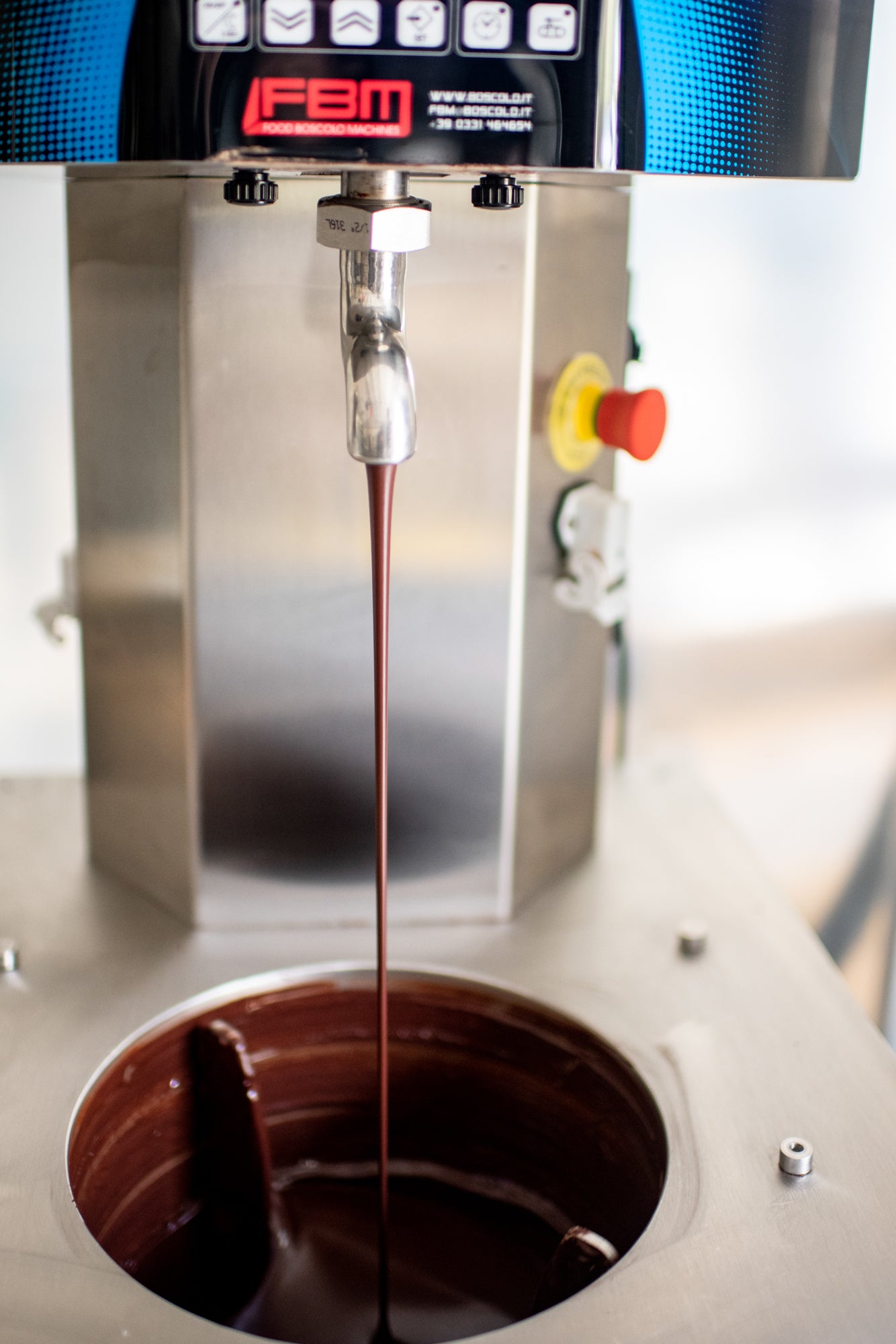
We sort out flat, broken, and poorly fermented beans before every batch and shell them before roasting, so we're roasting just the nibs and they roast evenly. (The exact roast is one of the few things we keep to ourselves.) Then we stone-grind and conch at the same time. The longer version is on our Our Chocolate page.
Some of our bars go a step further than a country name. Our 70% Guatemala comes from a single farm, Kampura, where the team restored 800 hectares of exhausted pasture into a living, productive cacao forest. And the beans in our 70% Tanzania come from Kokoa Kamili in Tanzania.
How do you taste single origin chocolate?
Side by side, at the same percentage, slowly. Matching percentages takes sugar mostly out of the equation, so what's left is largely the bean.
- Pick two origins at the same percentage. Two 70% bars is perfect.
- Let them come to room temperature. Flavor comes out as chocolate melts, and cocoa butter doesn't fully melt until it's warmer than the inside of your fridge (more on that in our post on what temperature chocolate melts at).
- Snap, smell, then let it melt. Put a small piece on your tongue and let it sit for a bit before chewing.
- Sip warm water in between. Pro tip: warm, not cold. Warm water melts the cocoa butter from the previous bite off your tongue, so the next bar gets a clean start.
- Write down the first word that comes to mind. Fruit? Nuts? Brownie batter? No wrong answers (though "tastes like chocolate" is technically correct and not very helpful).
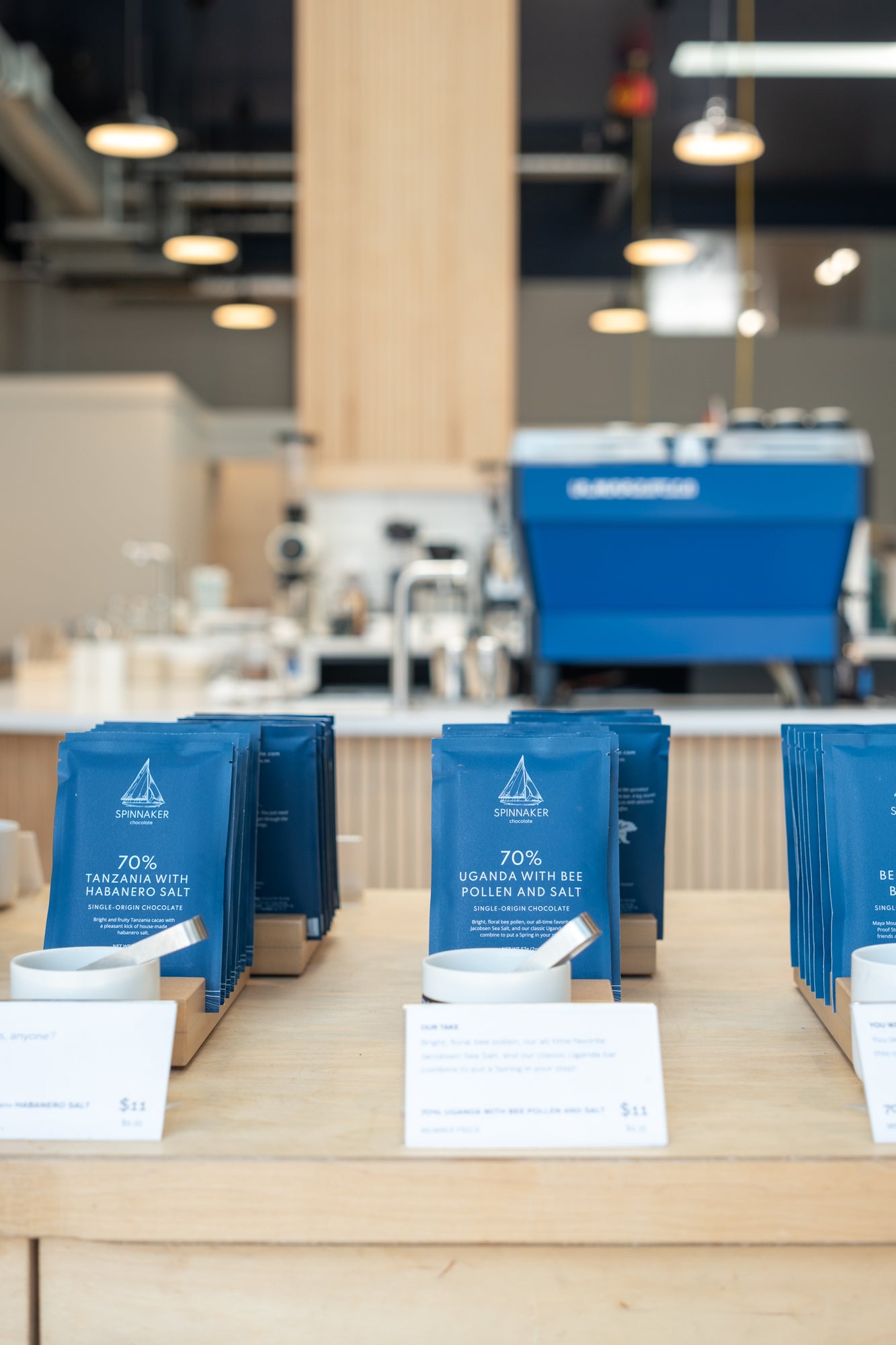
Our suggestion for a first flight: 70% Tanzania next to 70% Guatemala. Same percentage, same two ingredients, two very different bars. Tanzania tends to read as tropical fruit, like mango and papaya. Guatemala leans bright citrus, like grapefruit and zest, with a long finish.

70% Tanzania — Juicy and tropical-fruity, and the easiest way to taste how much origin can matter.

70% Guatemala — A single-farm bar from Kampura, and a bright, citrusy counterpoint to the Tanzania at the same 70%.
Gifting tip: two or three of our dark bars from different origins, plus a note that says "taste these side by side," makes a pretty good holiday gift.
FAQ
Is single origin chocolate the same as single estate?
Not quite. Single estate means one farm. Single origin can mean one farm, but more often means one country or region. Every single estate bar is single origin, but not the other way around.
Does single origin mean organic or fair trade?
No. Single origin only tells you where the beans were grown. Organic and fair trade are separate certifications with their own rules.
What does the percentage on a single origin bar mean?
It's how much of the bar's weight comes from cacao, including any added cocoa butter. The rest is mostly sugar. Origin tells you where the cacao came from; percentage tells you how much of it is in there. (Our post on different types of chocolate goes deeper.)
Single origin isn't a promise of quality so much as an invitation to pay attention. Taste two side by side once and "dark chocolate" stops being one flavor. Fair warning: it's hard to stop at two.
P.S. Want to compare origins in person? Come visit our factory, storefront, and café at 3509 Stone Way N, Seattle, WA 98115 and pick up a couple of bars to taste side by side.





Leave a comment (all fields required)